

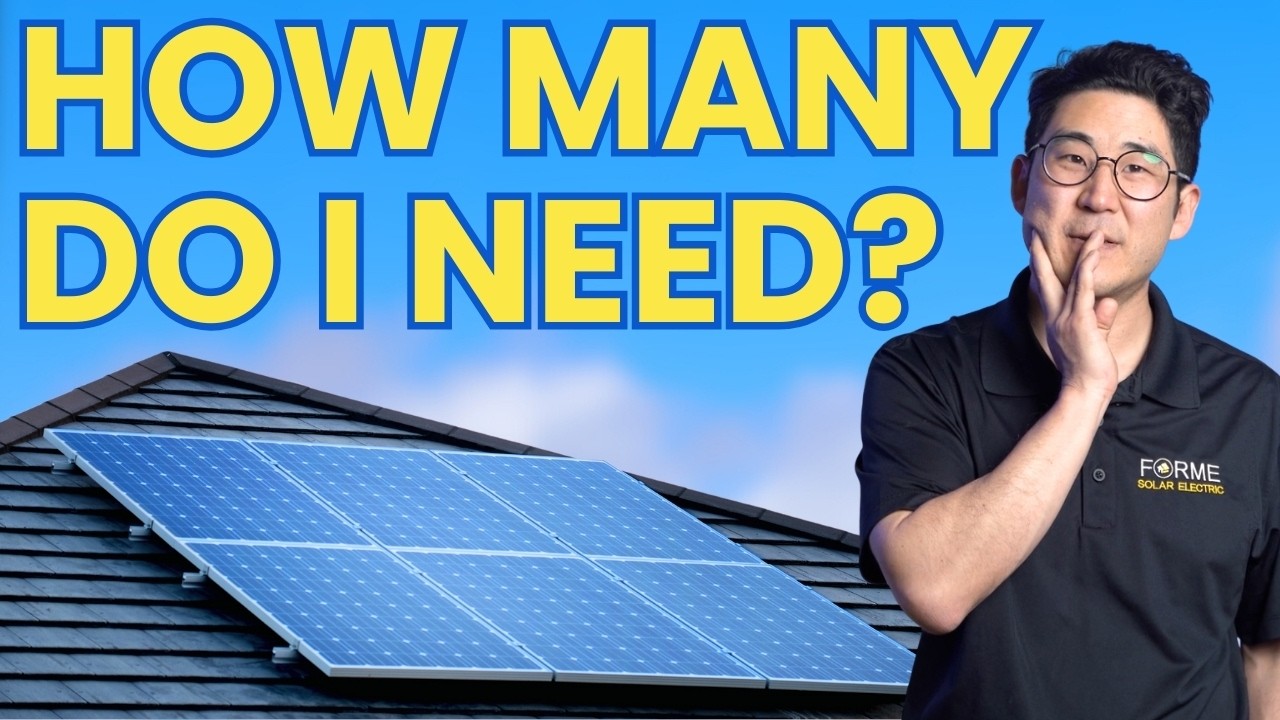
Many Solar Panels Do You Actually Need?
Are you thinking about switching to solar energy but find yourself wondering, how many solar panels do you actually need? It’s one of the most common questions homeowners ask when considering solar power. The answer, however, isn’t as simple as just picking a number. Your solar panel needs depend on several important factors including your daily energy use, your location’s sunlight availability, and the type of solar panels you choose. With solar technology advancing rapidly, especially by 2025, you might find that you need fewer panels than you initially thought.
In this comprehensive guide, we’ll walk you through the exact process of estimating how many solar panels your home requires. We’ll cover everything from calculating your daily energy consumption to understanding peak sunlight hours and panel wattage. Plus, we’ll discuss additional considerations like shading, roof space, battery storage, and future energy needs. By the end, you’ll be equipped with the knowledge to make an informed decision about your solar system size and avoid wasting money on an oversized or undersized setup.
This article is based on insights from solar experts at Forme Solar Electric who believe solar should be simple and transparent. Let’s dive in!
Understanding the Basics: What Determines How Many Solar Panels You Need?
The number of solar panels needed for your home depends on three crucial numbers:
- Your daily energy use
- Peak sunlight hours in your area
- The wattage of the solar panels you choose
These three factors form the foundation of your solar panel calculation. Let’s break each one down.
1. Calculate Your Daily Energy Use
The first step is to determine how much electricity your home consumes on a daily basis. This is usually measured in kilowatt-hours (kWh). Most utility companies provide this information on your monthly electricity bill. Look for the total kilowatt-hours used in a month.
For example, if your monthly electricity usage is 900 kWh, you can estimate your daily usage by dividing this number by 30 (the average number of days in a month). So, 900 kWh ÷ 30 days = 30 kWh per day.
Some utility bills might directly show your daily usage, so be sure to check carefully. This daily figure is essential because your solar panels need to generate enough energy to cover this amount.
2. Understand Peak Sunlight Hours in Your Area
Not all locations receive the same amount of sunlight. The average peak sunlight hours — the hours during which the sun provides maximum energy — vary widely based on geography and climate.
For instance, solar panel efficiency in California benefits from about 5 to 6 peak sunlight hours per day on average. In contrast, a place like New York typically receives closer to 4 peak sunlight hours daily. This difference impacts how many panels you need because fewer sunlight hours mean your system has less time to generate electricity each day.
Knowing your area’s peak sunlight hours is critical for estimating the right system size.

3. Choose Your Solar Panel Wattage
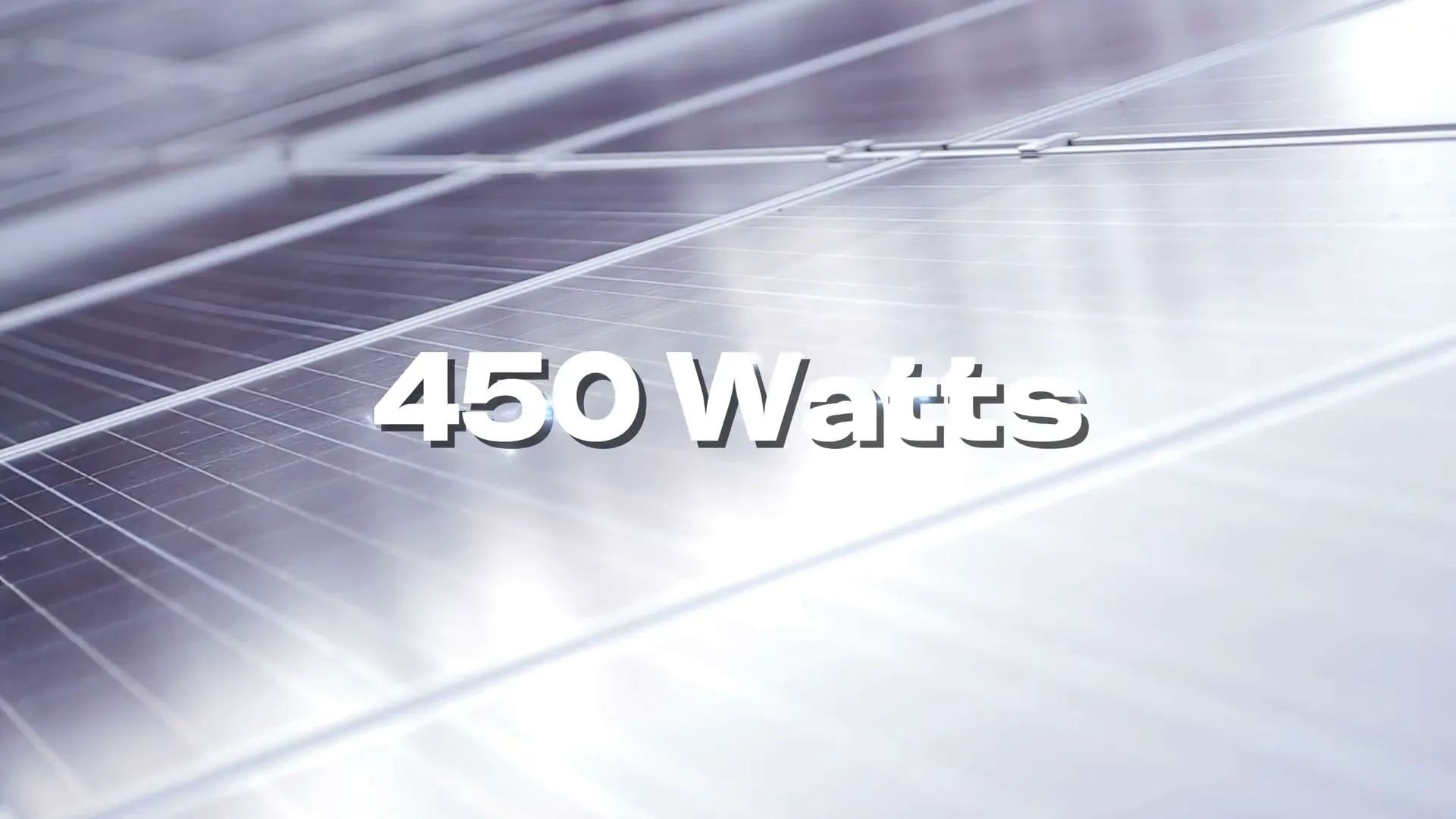
Solar panels come in various wattage ratings, which indicate the power output under standard test conditions. In 2025, most residential solar panels range from about 350 watts to 450 watts per panel, with 400 watts being the new industry standard.
Higher wattage panels produce more electricity per panel, which means you may need fewer panels overall. However, higher wattage panels can sometimes be more expensive, so balancing cost and efficiency is important.
How to Calculate the Number of Solar Panels You Need
Once you have your daily energy use, peak sunlight hours, and panel wattage, you can calculate the size of the solar system you need and the number of panels required.
Step 1: Calculate your solar system size in kilowatts (kW) using this formula:
Daily energy use (kWh) ÷ Peak sunlight hours = Solar system size (kW)
Step 2: Calculate the number of panels:
Solar system size (kW) ÷ Panel wattage (kW) = Number of solar panels
Note: To convert panel wattage from watts to kilowatts, divide by 1,000. For example, a 400-watt panel is 0.4 kW.
Example Calculation
Let’s say your home uses 30 kWh per day, you live in an area with 5 peak sunlight hours per day, and you plan to use 400-watt panels.
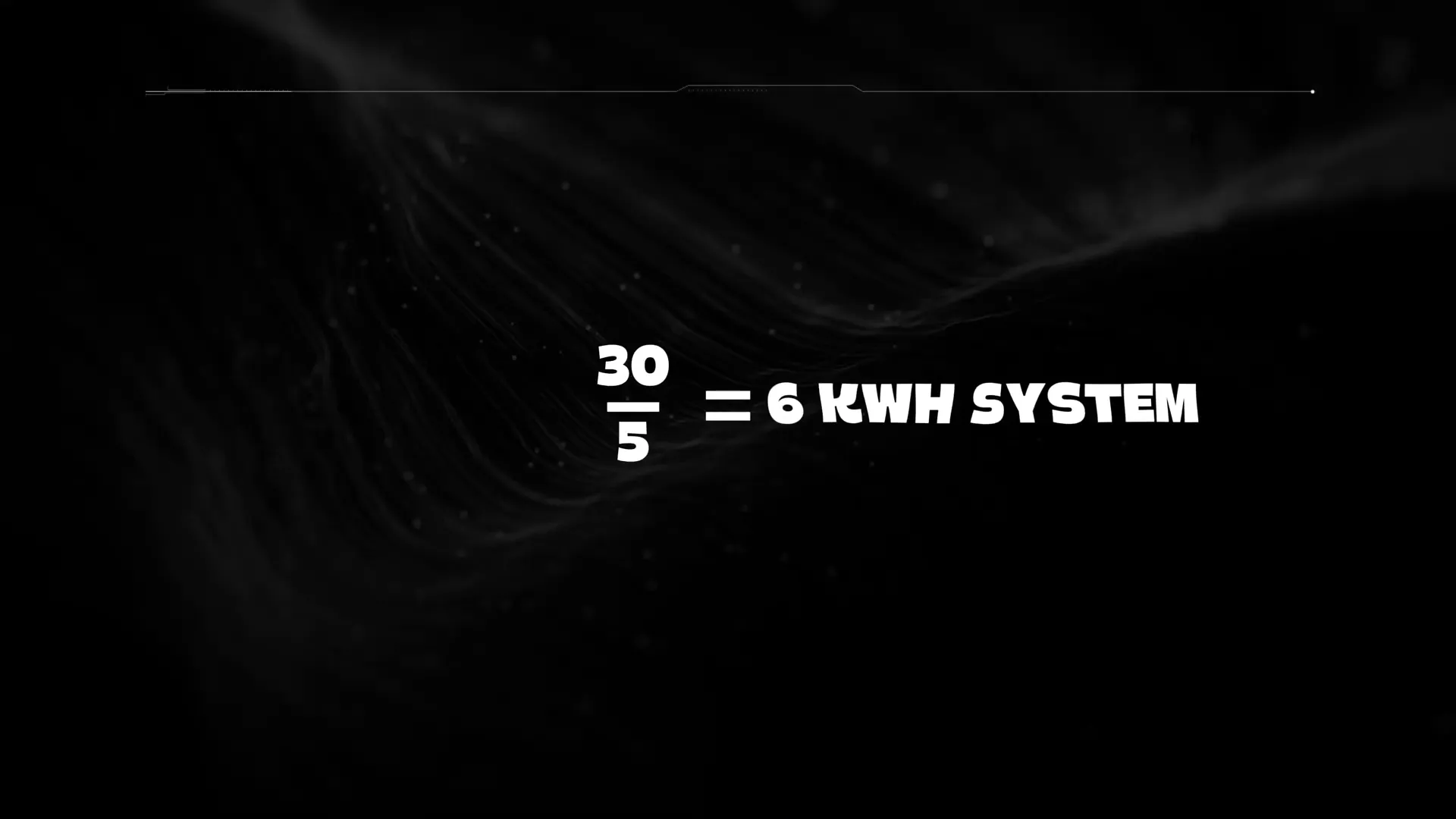
- Calculate system size: 30 kWh ÷ 5 hours = 6 kW system
- Calculate number of panels: 6 kW ÷ 0.4 kW per panel = 15 panels
This means you would need approximately 15 solar panels to fully power your home under these conditions.
Additional Factors That Affect Your Solar Panel Count
While the math gives you a solid estimate, other real-world factors can influence how many solar panels your home will truly require. Let’s explore these important considerations.
Shading and Roof Space
Shading from trees, chimneys, vents, or other obstructions can significantly reduce the efficiency of your solar panels. Even partial shading on a single panel can lower the output of the entire system.
Additionally, the angle and orientation of your roof affect how much sunlight the panels receive. Steep roof angles or roofs facing away from the sun will capture less solar energy, potentially increasing the number of panels you need to compensate.
Before installation, a professional solar assessment will check your roof’s shading and space availability to design the most efficient system possible.

Battery Storage vs. Net Metering
If you install a solar battery system, you might need extra panels to generate enough energy to store for nighttime use. Batteries allow you to use solar energy even when the sun isn’t shining, increasing your energy independence.
On the other hand, net metering programs enable you to “bank” excess electricity produced during the day by sending it back to the grid. You then receive credits that offset your electricity use when your panels aren’t producing power. This can reduce the number of panels you need since you can rely on the grid at night or during cloudy days.
However, the value of net metering depends on your local utility policies. Some utilities have limits on excess credits or different compensation rates, which might influence your decision on system size.

Future Proofing Your Solar Panel System
Are you planning to buy an electric vehicle (EV) or install a heat pump in the near future? Both of these appliances can significantly increase your home’s electricity consumption.
To avoid having to add more panels later, it’s wise to factor in your future energy needs when sizing your solar system. Adding a buffer now can save money and hassle down the road.

Typical Solar Panel Needs Based on Home Size (California Example)
Here’s a quick guide to how many solar panels might be needed based on common home sizes in California. Keep in mind these are rough estimates and your actual needs will vary based on energy use and location.
- Small Home (~1,500 sq ft): 15 to 20 panels, about 5 kW to 7 kW system size
- Medium Home (~2,500 sq ft): 15 to 20 panels, about 7 kW to 9 kW system size
- Large Home (~3,500+ sq ft): 20 to 30 panels, about 10 kW to 12 kW system size, scaling up as needed
Larger homes tend to have bigger appliances and higher overall energy consumption, which is why they generally require larger solar systems. But remember, these numbers are starting points. Your actual solar panel count should be customized based on your unique energy profile.

Why You Should Get a Professional Solar Assessment
Estimating your solar panel needs with formulas and averages is a great start, but for the most accurate and efficient system design, a professional assessment is essential. Solar experts use advanced modeling software to analyze your roof’s orientation, shading, your actual energy usage patterns, and even your utility rate plans.
This customized approach ensures:
- Your solar system matches your current and future energy needs
- You maximize savings by aligning with your utility’s rate structures and net metering policies
- Your roof space is used optimally without overspending on unnecessary panels
At Forme Solar, we take the guesswork out of solar by providing detailed, personalized solar designs that help you get the maximum benefit from your investment.

Recap: How to Calculate Your Solar Panel Needs
To summarize the process of figuring out how many solar panels you need:
- Check your daily energy usage by reviewing your electricity bill and converting monthly kWh to daily kWh.
- Find out your peak sunlight hours based on your geographic location.
- Choose your solar panel wattage, typically between 350-450 watts per panel.
- Use the formula: Daily energy use ÷ Peak sunlight hours = System size (kW).
- Calculate the number of panels: System size ÷ Panel wattage (in kW) = Number of panels.
Don’t forget to consider additional factors like shading, roof space, battery storage, net metering policies, and any anticipated increase in energy needs.
Ultimately, getting a professional solar assessment will provide the most accurate system size tailored just for your home.
Final Thoughts
Going solar is a fantastic way to reduce your carbon footprint and save on energy costs, but it’s important to size your system correctly. Too few panels mean you won’t cover your energy needs, while too many can be an unnecessary expense.
By understanding your daily energy consumption, local sunlight availability, and panel wattage, you can estimate a system size that fits your home perfectly. Remember, the future of solar technology is bright, and by 2025, improved panel efficiencies might mean you’ll need even fewer panels than expected.
Ready to take the next step? Consider reaching out to a trusted solar provider like Forme Solar to get a free custom solar quote and professional assessment tailored to your home’s unique needs.
Have questions or want to share your solar panel estimates? Drop a comment below and join the conversation!
Recent Posts
 Freedom Forever Solar Files for Bankruptcy
 Spring Is the Sweet Spot for Going Solar
 From Solar Installation, HVAC to Roofing: Home Services Done Right
 Forme Solar Recognized as 2025 Top Solar Contractor by Solar Power World
 The Real Cost of Solar: Why Payback Periods Are Shorter Than You Think
 The Next Level in Home Battery Systems? Meet EcoFlow Ocean Pro
 The Government Just Set a HUGE Cloud Over the Solar Industry Why You Need to Act Now
 The Simple Guide to Choosing the Best Solar Panels in 2025
 Ask These 10 Questions Before You Choose a Solar Company
 Should You Get Solar Battery Storage? A Comprehensive Guide to Battery Benefits and ROI
 Sunnova Energy Files for Bankruptcy
 Tesla Powerwall 3 Overview From a Certified Installer
 New Franklin aPower 2 is a Game Changer – FranklinWH Battery